






































For people with mobility issues, mobility scooters offer freedom and independence. Their batteries are key, powering the scooter and letting users move around easily.
It’s important to know about the different battery types and how to keep them in good shape. This guide will help you understand everything about mobility scooter batteries.
Key Takeaways
- Understand the different types of batteries available for mobility scooters.
- Learn how to choose the right battery for your mobility scooter.
- Discover tips on maintaining your mobility scooter battery for optimal performance.
- Explore the benefits of upgrading to advanced battery technologies.
- Understand the importance of voltage, capacity, and dimensions when selecting a battery.
Understanding How Mobility Scooter Batteries Work
It’s important to know how mobility scooter batteries work. They give power for a long time. This makes them key for the scooter’s use.
The Role of Batteries in Mobility Scooters
Batteries power the scooter. Without them, the scooter can’t move. They give the scooter’s motor the power it needs to go.
For more info on mobility scooter batteries, check out this resource.
How Battery Quality Affects Performance and Range
The quality of a battery affects how well the scooter works. Good batteries last longer and work better. This makes moving around easier.
Things like battery type and how well it’s taken care of matter a lot. A well-kept battery means the scooter works well. This gives users the freedom to move easily.
Types of Mobility Scooter Batteries
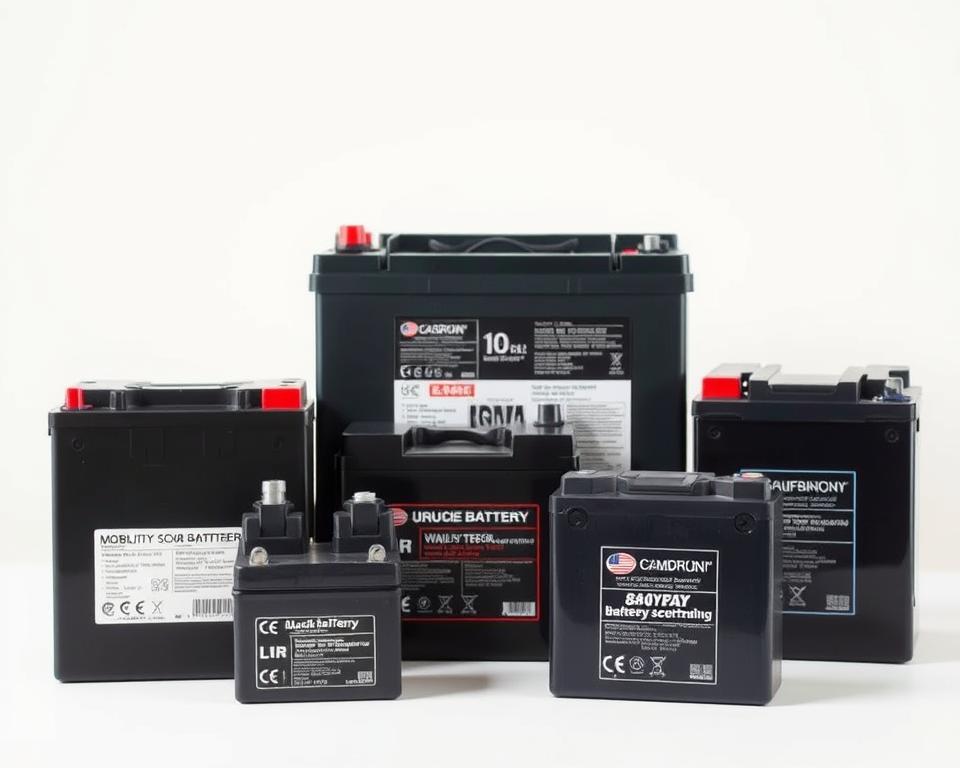
Knowing about the different types of mobility scooter batteries is key. The right battery can make your scooter run better, go farther, and last longer.
Sealed Lead Acid (SLA) Batteries
Sealed Lead Acid (SLA) batteries are a top pick for scooters. They’re easy to use and don’t cost too much. SLA batteries work well in many scooters but don’t last as long as others.
Gel Batteries
Gel batteries are great for scooters because they last longer than SLA batteries. They have a special gel inside that helps them work better. Gel batteries are perfect for those who charge and use their scooters a lot.
But, they cost more than SLA batteries.
Absorbed Glass Mat (AGM) Batteries
AGM batteries are a good mix of SLA and gel batteries. They’re spill-proof and don’t need much care. AGM batteries are powerful and last a long time, making them great for scooters that need lots of energy.
They’re also better for the environment than old lead-acid batteries.
In short, picking the right battery for your scooter depends on what you need. By knowing about SLA, gel, and AGM batteries, you can choose the best one for your scooter’s performance and life.
Lithium-Ion Technology for Mobility Scooters
Lithium-ion batteries have changed the game for mobility scooters. They offer a better and more reliable power source. This technology is becoming more common because of its many benefits.
Advantages of Lithium-Ion Batteries
Lithium-ion batteries are lighter, last longer, and charge faster than old batteries. These are big pluses for people who use mobility scooters. For example, they charge up quickly, so you can get back to your day sooner.
They also pack more energy, which means your scooter can go further. This is great for those who use their scooters to get around every day. The lithium-ion batteries are made for top performance and lasting use.
Cost vs. Benefit Analysis of Lithium Options
Lithium-ion batteries cost more at first, but they save money in the long run. They last longer and need less upkeep. This means you spend less money over time.
| Battery Type | Lifespan | Maintenance Cost | Overall Cost |
|---|---|---|---|
| Lithium-Ion | Up to 5 years | Low | Higher upfront, lower long-term |
| Lead-Acid | Up to 2 years | High | Lower upfront, higher long-term |
The table shows that lithium-ion batteries cost more at first. But, their longer life and lower upkeep costs make them cheaper in the long run.
Essential Mobility Scooter Batteries Specifications
Knowing about mobility scooter battery specs is key. The right battery makes your scooter go further and perform better.
Voltage Requirements for Different Scooter Models
The voltage needed is very important for scooter batteries. Most scooters need 24-volt or 36-volt batteries. But, some fast models might need 48 volts or more.
It’s important to pick a battery with the right voltage. This ensures your scooter works well and doesn’t get damaged.
| Scooter Model | Voltage Requirement |
|---|---|
| Standard Mobility Scooter | 24V |
| High-Performance Scooter | 36V or 48V |
Understanding Ampere-Hour (Ah) Ratings
The Ah rating shows how much power the battery holds. A higher Ah means you can go further on one charge. For example, a 20Ah battery lasts longer than a 10Ah one.
“The Ah rating is a key factor in how far you can go on one charge.”
Weight, Size, and Terminal Type Considerations
The battery’s size and weight matter for fitting with your scooter. Also, the terminal type must match your scooter’s connector. Always check the manufacturer’s specs to avoid problems.
Understanding these specs helps you choose the right battery. This ensures your scooter works well and lasts long.
Proper Charging Techniques for Maximum Performance
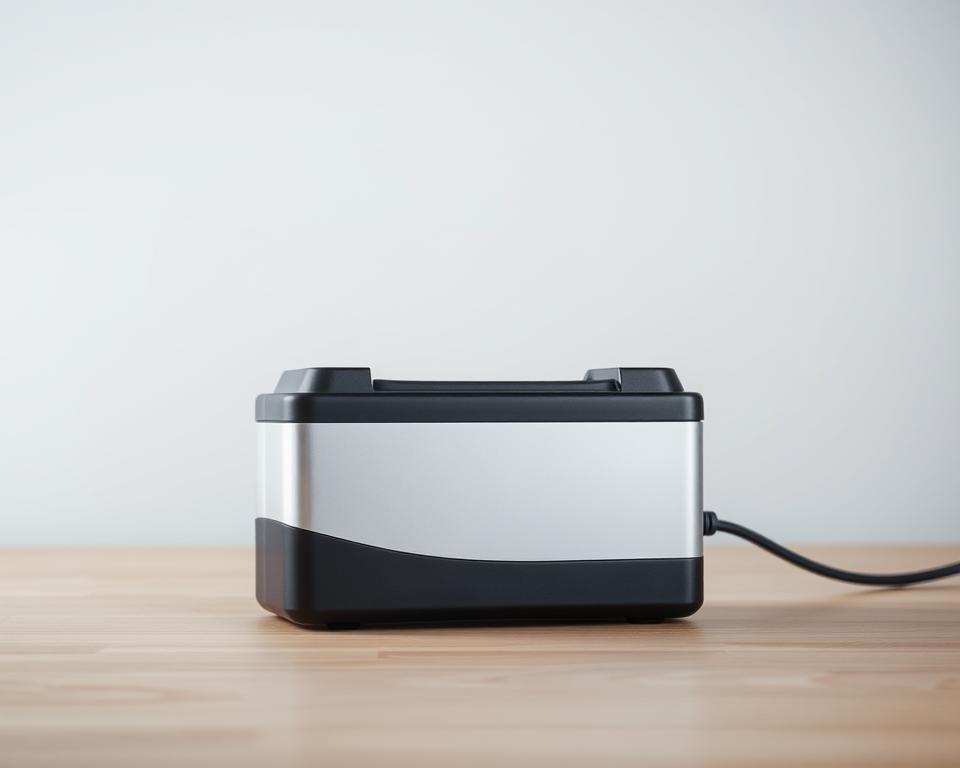
How you charge your mobility scooter battery affects its performance and life. Using the right charger and following guidelines is key. As experts say, this can make a big difference.
Optimal Charging Practices
To charge your battery right, avoid overcharging. It shortens the battery’s life. Modern chargers have a shut-off feature when full. But, it’s good to watch the charging.
“Overcharging is a big mistake,” a leading maker says. It can harm the battery. Use the charger your scooter maker suggests. Make sure it fits the battery’s needs.
Selecting the Right Charger for Your Battery Type
Picking the right charger is key. Different batteries need different chargers. The wrong one can harm your battery.
Think about your battery type and scooter’s needs. For example, Lithium-Ion batteries need special chargers. They’re different from lead-acid batteries.
Charging Frequency and Duration Guidelines
Charging frequency and time depend on how much you use it. Daily users should charge overnight. Less frequent users should charge when it’s 20% to 80% full.
Charging time changes with battery size and charger power. A full charge can take 4 to 12 hours. Always follow the maker’s charging time to avoid damage.
Battery Maintenance and Care Tips
Proper care and maintenance of your mobility scooter’s battery can make it last longer. By following a few simple steps, you can keep your battery in top shape. This will help your mobility scooter work better for a longer time.
Creating a Regular Maintenance Schedule
It’s important to have a regular maintenance schedule for your mobility scooter battery. Check the battery’s charge, clean the terminals, and make sure all connections are tight. This helps spot problems early on. For more tips, check out battery test/care guides.
Proper Storage During Extended Non-Use Periods
When you’re not using your mobility scooter for a long time, proper battery storage is key. Keep the battery in a cool, dry spot, away from sunlight. Charge it to about 50% before storing and check on it now and then. Don’t let the battery fully drain, as it can get damaged.
Terminal Cleaning and Connection Checks
Clean terminals and secure connections are essential for your mobility scooter battery’s performance. Check the terminals for corrosion or wear and clean them when needed. Make sure all connections are tight to avoid power loss. This simple step can greatly improve your scooter’s performance.
Troubleshooting Common Battery Problems
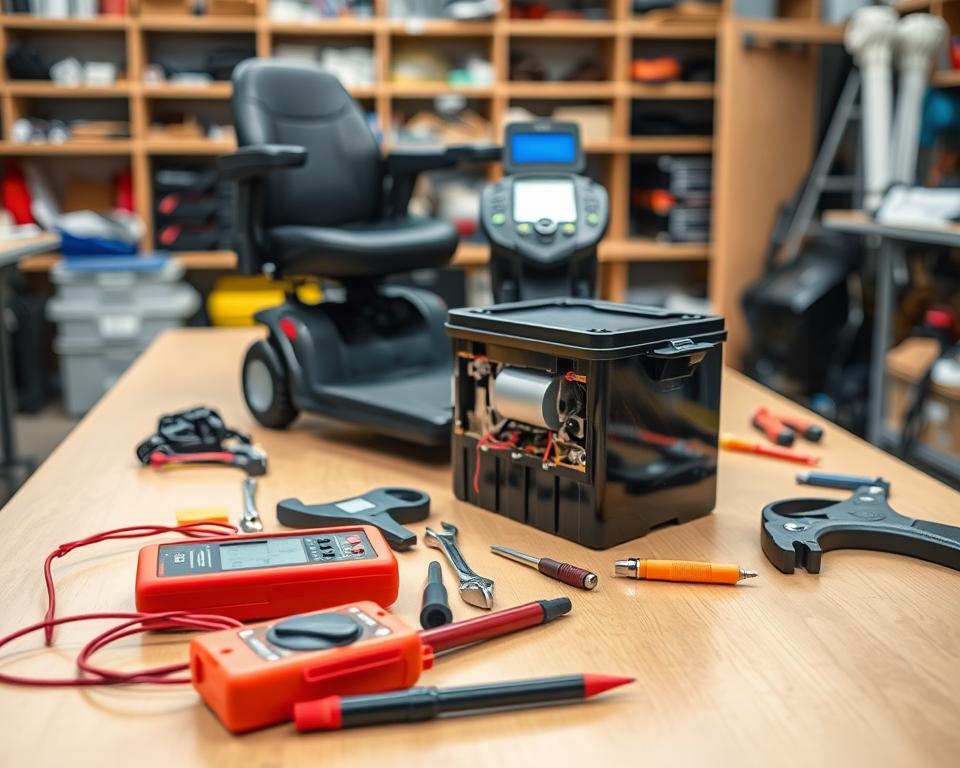
When your mobility scooter battery starts to malfunction, it’s essential to identify the root cause of the problem. Common issues include diminished range, failure to hold a charge, and physical damage. Diagnosing the cause is the first step to resolving these issues.
Diagnosing Battery Issues and Their Causes
To diagnose battery issues, start by checking the battery’s voltage and ampere-hour (Ah) rating. Make sure the battery is properly connected and that the terminals are clean. A simple check can often reveal if the issue lies with the battery or the scooter itself.
Some common causes of battery problems include deep discharging, overcharging, and age-related degradation. Deep discharging occurs when the battery is completely drained, which can reduce its lifespan. Overcharging can also be detrimental, as it causes excessive heat and stress on the battery cells.
| Issue | Possible Cause | Solution |
|---|---|---|
| Diminished Range | Age-related degradation, deep discharging | Check battery health, consider replacement |
| Failure to Hold Charge | Overcharging, faulty charger | Inspect charger, adjust charging habits |
| Physical Damage | Accidental damage, wear and tear | Inspect and repair or replace damaged components |
Solutions for Diminished Range and Performance
If you’re experiencing diminished range or performance, there are several steps you can take. First, ensure that your battery is fully charged and that the charger is functioning correctly. Check the scooter’s manual for guidance on optimal charging practices.
Adjusting your riding habits can also help. Avoiding steep inclines and reducing your speed can conserve battery life. Ensuring that your scooter is properly maintained, with clean tires and no excessive weight, can improve overall performance.
When to Seek Professional Help
If you’ve diagnosed the issue and attempted the recommended solutions without success, it may be time to seek professional help. A certified technician can provide a more detailed assessment and perform necessary repairs or replacements.
“Regular maintenance is key to extending the life of your mobility scooter battery. By understanding how to diagnose and troubleshoot common issues, you can ensure your scooter remains reliable and efficient.”
Don’t hesitate to consult a professional if you’re unsure about any aspect of troubleshooting or repairing your mobility scooter battery.
Replacing Your Mobility Scooter Batteries
Replacing your mobility scooter battery is easy and boosts your scooter’s power. Knowing when and how to replace your batteries is key. It keeps your scooter running well and lets you stay mobile.
Signs That Indicate Replacement is Needed
There are clear signs your battery needs to be replaced. Look for a big drop in range, age, and damage. If your scooter can’t hold a charge anymore, or if the battery is old or broken, it’s time for a new one.
- Reduced scooter range
- Age of the battery
- Visible damage or corrosion
Step-by-Step Battery Replacement Guide
Replacing your battery is simple. First, get a battery that fits your scooter. Then, follow these steps:
- Turn off your scooter and remove the seat or battery cover.
- Disconnect the old battery, starting with the negative terminal.
- Take out the old battery and put in the new one.
- Reconnect the terminals, starting with the positive terminal.
- Put back the battery cover or seat.
Recycling Old Batteries Responsibly
Recycle your old battery when you get a new one. Many places and recycling centers take old batteries. This protects our planet and keeps harmful materials safe.
| Recycling Option | Description | Benefits |
|---|---|---|
| Local Recycling Centers | Drop off old batteries at designated centers | Convenient and environmentally friendly |
| Retailer Take-Back Programs | Return old batteries to the retailer when purchasing new ones | Easy and ensures proper disposal |
“Proper disposal of old batteries is not only a legal requirement but also a critical step in protecting our environment.”
By following these steps, you’ll smoothly switch to a new battery. This keeps your scooter running great.
Enhancing Your Mobility Freedom with Reliable Battery Power
Having reliable battery power is key for keeping your freedom of movement. Knowing what your scooter battery needs and taking care of it right can make a big difference. The right battery and good care can really boost your scooter’s performance and how far it can go.
To get the best from your scooter, think about the battery type, how to charge it, and when to do maintenance. For more info on scooter batteries, check out battery guides. It has all you need to know about picking and caring for your batteries, keeping your power reliable and your freedom enhanced.