







































The journey to being a youth baseball umpire is full of rewards. It’s also hard work. This guide helps you know all about the job. You’ll learn about the duties, the hard work required for umpiring youth baseball, and how to keep the game fair. Plus, you’ll see how important umpires are in the Little League.
As an umpire, you’re not just there to keep the game safe and fair. You also set the game’s mood. Your job mixes knowing the rules with staying in good shape and acting right. You might run a lot or stand still, but it’s all to keep the game going well.
Umpires have a big say in the game, with power to make game-changing calls. They must act very professionally. This is crucial for how players feel about the game and fairness. Umpires do more than apply rules. They show what’s right and create a fun space for everyone involved.
Key Takeaways
- Becoming a youth baseball umpire requires a deep understanding of the rules.
- It’s a job that needs you to be fit and alert all the time.
- Umpires must always act professionally and be fair.
- Having authority on the field helps make the game run smoothly and teaches players.
- Umpires’ work impacts more than just the game by influencing the Little League and how players grow.
Understanding the Role and Responsibilities of a Youth Baseball Umpire
In the world of youth baseball, umpires are key. They shape the game and the fun of Little League. Let’s look into what’s needed to be a good youth baseball umpire.
The Physical Demands of Officiating Youth Baseball Games
Being a youth baseball umpire means more than calling plays. It’s physically tough. You need to be fit, quick, and able to keep up. This job involves moving a lot and standing a long time. It helps umpires see plays clearly to make the right calls.
An Umpire’s Authority on the Field and Professional Conduct Standards
Umpires have a big say in the game’s rules. They manage how the game runs. They must act professionally and treat everyone fairly. This means staying calm, no matter what.
The Impact of Umpiring on the Little League Experience
Umpires make the Little League experience better. They foster fairness and team spirit. Their calls are lessons for the players. They learn how to play right and respect the game.
How to Become an Umpire for Youth Baseball
If you are into youth baseball umpiring, this guide is your go-to. It offers a clear, step-by-step route. You will learn all you need, like the first steps and finding chances. It’s a great path to take.
To start, get in touch with local recreation departments or Little League groups. They are key for beginners. They give chances and tips for new umpires.
- Fill out registration forms to get started. These forms need your info, permission for checks, and when you’re free.
- You’ll need to pay fees for gear, uniforms, and training. Knowing this early helps with your budget.
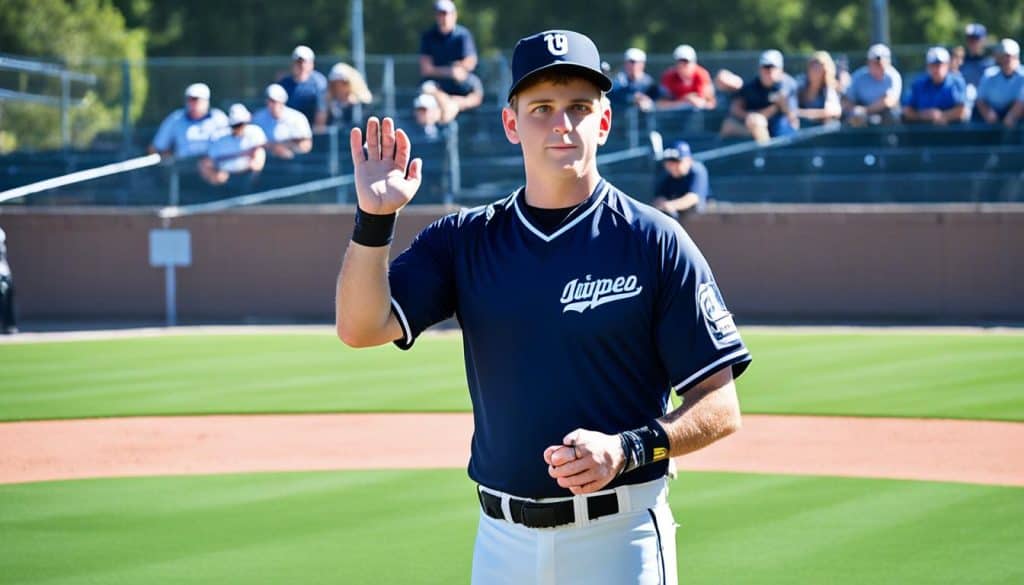
Then, aim to find and lock down umpiring gigs with youth teams. Here’s how:
- Go to local Little League games to meet umpires and organizers. This can lead to offers and advice.
- Offer to umpire at practices or small games for experience. It’ll help you get used to it.
Be active in looking for opportunities. It will speed up joining youth baseball umpires. Stay focused, work on your skills, and learn the rules. This way, you’ll succeed.
Following these steps will help you fit in as an umpire. You’ll make a big difference in your community and youth baseball.
Essential Training and Equipment for Aspiring Umpires
Starting the journey to umpire youth baseball is exciting but hard work. It’s important to know about the must-have training and gear. Learning the rules well is the first step to becoming a great umpire.
Training Programs and the Importance of Rule Knowledge
Joining good training is key for someone who wants to be an umpire. These courses help you know the baseball rules well. This makes you make the right calls and keeps the game fair for everyone.
Comprehensive List of Required Umpiring Gear
Umpires need the right gear to do their job. Here’s what an umpire should have:
- Shoes: Designed for mobility and comfort on the field
- Socks and slacks: Comfortable and suitable for various weather conditions
- Shirts and belts: Professional appearance is essential
- Masks and protective gear: Safety is paramount to shield from potential injuries
- Officiating tools: Includes counters, brushes, and indicators for game management
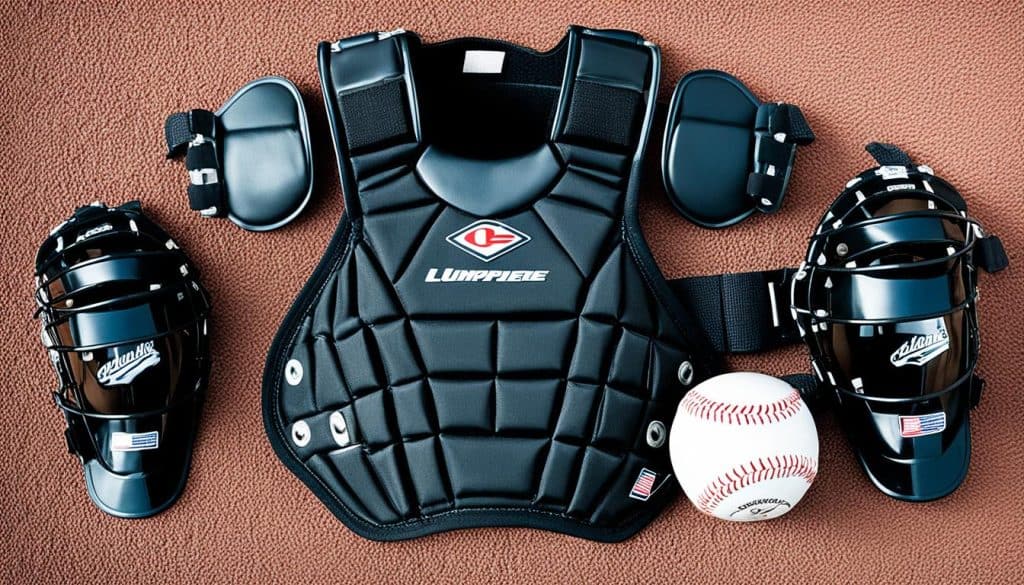
Cost Considerations and Potential for Hand-Me-Down Equipment
Buying umpiring gear can cost a lot at first. But, new umpires can get gear from old umpires, which saves money. This helps new umpires and old ones feel like a team.
Advancement Opportunities and Building a Career in Umpiring
Many umpires start when they’re young. They learn the game’s rules well this way. This part will talk about how they can grow beyond local games. Umpires can start from youth games to high school and college levels, and even go pro. It takes not just hard work, but also smart moves to climb the ladder.
To move up, umpires need to join local groups. These groups help with certification and let umpires meet important people. They are usually connected with bigger leagues’ governing bodies. This helps umpires stay current with rules and standards. Going to camps and clinics is also key. They offer intense practice and chances to learn from the pros, which really improves skills and how well-known an umpire is.
Becoming a top umpire is about always learning and meeting new people. Connecting with the community and hunting for new roles is vital. As you move up, every new level brings more challenges. This helps sharpen the skills needed for the top of the game. For those who really want to make it in umpiring, there are great chances to grow. It’s a field that rewards those who are passionate, precise, and professional.