






































In the U.S. car market, a clean cabin can make a big difference. Seat covers are a simple upgrade that protects surfaces you touch every day. When buyers see tidy seats, they think the rest of the car is well taken care of too.
Custom seat covers protect against spills, dirt, pet hair, and more. They also block UV damage that can fade fabric and dry out leather. This keeps your car looking newer, longer, which can increase its resale value.
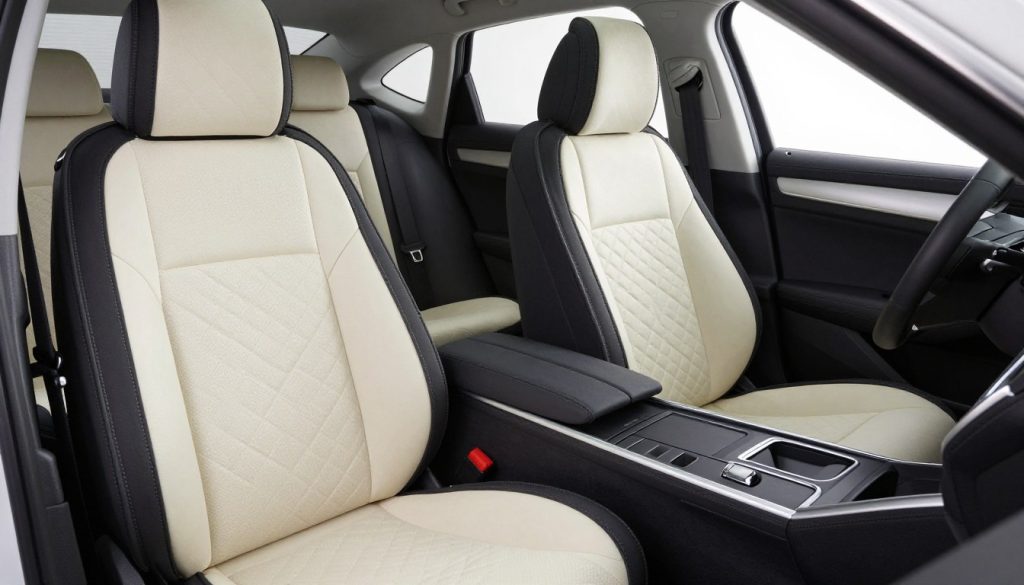
Unlike loose covers, custom ones fit your seat perfectly. They account for headrests, armrests, and more. Buyers notice the looks and feels of your car right away. Custom seat covers let you pick fabrics, colors, and patterns. This makes your interior feel fresh and can even add comfort to your daily drive.
Key Takeaways
- Seat covers help protect car interior surfaces from stains, scuffs, and everyday mess.
- Custom seat covers support vehicle value by keeping original upholstery in better shape.
- UV resistance and durable materials improve car upholstery protection and reduce fading.
- Custom car seat covers are tailored for headrests, armrests, and seatbelt cutouts.
- Style and comfort upgrades can boost resale value by improving first impressions.
- Material and feature choices can add practical interior protection, like easy-clean surfaces.
Why Custom Seat Covers Can Increase Resale Value in the US Market
In the U.S. market, the cabin is where shoppers linger. Dealers and private buyers scan for stains, odors, and worn bolsters. This shows how the rest of the vehicle was treated.
That link matters for used car buyer expectations. A clean seat surface and tidy stitching can raise perceived value before anyone checks the service records.
Custom covers help keep factory upholstery looking closer to new. When the original seats stay unstained and well-preserved, many market examples show a perceived value bump of up to $500–$1,000, depending on make and model.
This is where seat covers resale value becomes practical, not cosmetic. Buyers see fewer risks, which can support higher offers and a quicker sale because there’s less to “fix” right away.
An interior that looks sharp can also increase car resale value in percentage terms. Market examples often cite a 2%–4% lift from an aesthetically pleasing cabin. This can mean hundreds or thousands of dollars on higher-priced vehicles.
| Interior factor buyers notice | What it signals to used car buyers | Typical market example impact on perceived value | How seat covers can affect the outcome |
|---|---|---|---|
| Clean, unstained seat panels | Careful ownership and regular upkeep | Up to $500–$1,000 on some vehicles | Helps keep original fabric or leather looking “pristine” at showing time |
| Overall cabin look and color match | Lower risk of hidden neglect | 2%–4% lift in perceived value in market examples | Custom-fit styling can make wear look minimal and consistent across rows |
| No tears, cracks, or flattened bolsters | Less immediate spend after purchase | Supports stronger negotiating position and higher offers | Reduces the chance a buyer budgets for upholstery repair or replacement |
| Comfortable, “fresh” presentation at the test sit | Confidence the car was not abused | Can contribute to a quicker sale when listings are similar | Creates a cleaner first impression and protects high-touch areas |
The cost-to-return math is one reason owners pay attention to this upgrade. Many sources cite a full set around $200–$300, with a resale lift of $500–$1,500 (about 2%–5%). This can lead to an ROI of up to 400% in market examples.
That gap is driven by friction. When the interior looks “done,” buyers worry less about immediate detailing, reupholstery, or leather repair. This keeps negotiations focused on the car, not the cabin.
seat covers as a First Line of Defense for Original Upholstery
Seat covers act as a shield against the outside world. They keep your car’s interior safe from crumbs, dirt, and more. This protection is key for every drive.
For those on the go, keeping seats clean is as important as looking good. Spills and stains can ruin the original fabric. But a cover can take the hit.
Sunlight can also harm your car’s interior. UV protection covers help prevent fading and drying. This keeps your seats looking newer for longer.
Comfort is also important. A well-fitting cover prevents bunching and sliding. It also protects against wear and tear from daily use.
For car owners with pets, seat covers are a lifesaver. They keep fur and claw marks from damaging the seats. This makes cleaning easier and keeps the interior looking good.
| Common interior threat | What happens to factory seats | How seat covers help | Buyer-facing impact |
|---|---|---|---|
| Spilled drinks and melted ice | Liquid wicks into seams and padding, leaving odor and rings | Spill protection creates a layer you can remove and wash | Fewer visible blemishes during test drives and photos |
| Food, makeup, and sunscreen | Oily residue bonds to fabric and can discolor leather | Stain prevention reduces direct contact with the upholstery surface | Cleaner look that supports a “kept-up” impression |
| Sun exposure through windshield and side glass | Fading, drying, and surface cracking over time | UV protection seat covers help block and diffuse harsh light | More even color that avoids interior-condition deductions |
| Daily entry, exit, and long drives | Shiny wear spots, frayed bolsters, and compressed foam | Wear and tear protection absorbs rubbing before it hits factory material | Seats look closer to “like new,” which helps pricing confidence |
| Pets riding on seats | Fur embeds in fibers; claws can leave scratches and pulls | Pet hair protection simplifies cleanup and limits surface damage | Less time spent detailing before a listing or appraisal |
Removing covers for cleaning makes upkeep easy. This keeps your car looking great for buyers. A simple cleaning routine keeps the interior looking fresh.
Custom-Fit vs Universal Seat Covers: Fit, Finish, and Value Perception
The main difference between custom-fit and universal seat covers is precision. Custom-fit covers match your seat perfectly. Universal covers have to make do, which can lead to loose edges or exposed panels.
A good fit does more than look nice. It protects areas like seat bolsters and corners where things rub. This keeps the upholstery looking new, which makes the car seem more valuable.
Custom-fit covers also stay in place better. This means fewer wrinkles and a cleaner look every day. A well-fitting cover makes the car look cared for, not just covered up.
Fit is also about matching the seat. Custom-fit covers are made for real seat features like headrests and armrests. This is true for many types of cars and trucks.
| What buyers notice | Custom-fit seat covers | Universal seat covers |
|---|---|---|
| Seat cover fit at the edges and corners | Hugs contours for a cleaner line | Can gap, bunch, or pull when you sit |
| Coverage on common wear points | More complete coverage around bolsters and seams | May leave trim areas or corners exposed |
| Everyday stability | Snug fit seat covers tend to shift less during commuting | More movement, specially on slick fabrics |
| Interior finish and first impression | Looks integrated, closer to factory styling | Can look temporary or mismatched |
| Features and cutouts | Often accounts for headrests, armrests, and seatbelt paths | May cover features or require frequent readjustment |
Details matter in resale photos and when showing the car. When covers fit well, the car looks well-kept. Loose covers make buyers wonder what’s under them, even if it’s fine.
Interior Aesthetics That Sell: Styling Upgrades Buyers Notice
When shoppers open the door, they judge fast. A well-done car interior can make an older vehicle look cared for. A smart seat covers upgrade keeps surfaces looking fresh, boosting buyer appeal in a crowded market.
Buyers often pay more for a clean and intentional interior. Stylish seat covers can hide faded fabric and stains without a big reupholstery cost. A nice interior can raise the vehicle’s value by 2%–4%, which can be hundreds or thousands of dollars.
Choosing custom colors and patterns that match the car’s interior is key. Texture also matters, with smooth finishes looking modern and woven looks more casual. Even rugged themes, like camo, can work if they fit the car’s purpose and local lifestyle.
| Vehicle style | Design direction buyers notice | Material and finish cues | Color and pattern ideas |
|---|---|---|---|
| Luxury sedans and premium trims | Clean lines, tight fit, understated detail | Leather or leatherette/eco-leather for a luxury look interior | Black, espresso, or light gray; subtle stitching |
| Family cars and daily commuters | Neat, practical, easy to maintain | Durable fabrics that wipe down quickly | Medium gray, tan, or charcoal; patterns that hide minor marks |
| Sport compacts and performance trims | Sharper look with visual contrast | Grippy textures; crisp seams | Contrasting stitching; racing-inspired panels |
| SUVs and trucks | Outdoor-ready, tough, and clean-looking | Water-resistant materials built for gear, pets, and mud | Earth tones; camo patterns or rugged two-tone layouts |
Small styling moves can make the cabin feel more complete. Matching front and rear covers, keeping headrests aligned, and choosing the right finish all help. Done well, the interior looks like an upgrade, not a cover-up.

Comfort Upgrades That Improve Daily Driving and Owner Satisfaction
Comfort is a key value that makes a big difference. When drivers feel good, they enjoy the car more. This comfort can make a big first impression quickly.
Upgrades often start with seat covers that feel great. Padded covers make seats softer and more comfortable. Ergonomic covers support a natural posture, reducing fatigue.
Support is as important as softness. Lumbar support covers add structure, helping the lower back. Breathable covers keep cool on warm days by letting air flow.
Choosing the right material is key for comfort. Neoprene is cushioned and grippy, while leatherette is smooth and easy to clean. Clean, supportive seats show pride of ownership. A tidy, comfortable cabin shows the car was cared for daily, not just fixed quickly.
| Comfort feature | What it changes on daily drives | What buyers tend to notice during a test drive |
|---|---|---|
| padded seat covers | Reduces pressure on hips and thighs, making city driving easier | Seats feel “less worn” and more welcoming right away |
| ergonomic seat covers | Encourages upright posture and steadier shoulder position on longer trips | Cabin feels thoughtfully set up for real commuting |
| lumbar support seat covers | Adds lower-back structure for drivers who sit for hours | Support feels intentional, not accidental |
| breathable seat covers | Helps reduce sweaty back and sticky clothing in summer | Interior feels fresher, even before the A/C kicks in |
| temperature regulation materials (neoprene or leatherette) | Improves year-round comfort by limiting extreme hot-or-cold seat feel | Touch points feel more premium and consistent |
Choosing the Best Materials for Durability, Protection, and Easy Cleaning
Choosing the right seat cover materials depends on how you drive and who rides with you. It also depends on what you want your car’s interior to look like. The best choice should feel like an upgrade, not something that looks cheap or wears out fast.
Leather seat covers give a premium look and feel. They have a smooth surface that makes cleaning up spills easy. Leatherette covers offer a similar look but are easier to clean and stain-resistant.
Neoprene seat covers are great for families. They’re comfy and can handle messes well. They’re also good for keeping your seats dry when you have wet swimsuits or sports gear.
For those who use their car for work or outdoor activities, ballistic fabric is the best. It’s tough and can handle rough conditions. It’s perfect for cars that get a lot of use.
For long drives, soft and breathable fabrics are best. They keep you cool and comfortable. They’re also easy to clean, making them perfect for busy people.
| Material choice | Best for | Protection strengths | Care and cleaning | Interior effect |
|---|---|---|---|---|
| Leather seat covers | Drivers who want a luxury-style upgrade | Helps resist spills and stains; holds up well over time | Wipes clean fast; simple routine maintenance | Polished, premium look and feel |
| Leatherette seat covers | Upscale look with practical day-to-day use | Resists spills and marks; strong surface protection | Quick wipe-down; low-effort upkeep | Clean, modern finish that doesn’t look cheap |
| Neoprene seat covers | Kids, pets, gym bags, and outdoor weekends | Water resistant; strong spill and stain protection | Easy to rinse or wipe; handles frequent cleanups | Sporty, practical vibe with comfort |
| Ballistic fabric seat covers | Heavy use, rugged driving, and harsh conditions | Extremely tough; extra defense against wear and scuffs | Typically vacuums well; built for repeated use | Rugged, work-ready appearance |
| Plush/soft breathable fabrics | Comfort-first drivers and longer trips | Breathability for heat control; helps reduce sweaty seating | Often simple to vacuum and spot clean | Soft, cozy feel that improves ride comfort |
When choosing, consider UV resistance for sun protection. Also, look for padding that keeps your seats comfy and in shape. This keeps your car looking neat and tidy.
Make sure the covers fit your car well. Covers made for your car’s make and model fit better. They protect more and look like they came from the factory.
If you care about the environment, look for eco-friendly options. Some covers are made from recycled materials and are easy to clean. This reduces waste and helps the planet.
Real-World Cost Benefits: Preventing Repairs and Supporting Higher Offers
When buyers sit in the driver’s seat, they look for signs of neglect. Spills, scuffs, sun damage, and small tears can lead to costly repairs. Custom seat covers act as a shield, preventing these issues before they become a problem.
The cost of seat covers versus the value they provide is clear for most drivers. A full set costs around $200–$300. But fixing damaged fabric or leather can cost hundreds. This is why many choose covers to avoid expensive repairs, focusing on high-wear areas.
Clean seats also affect what buyers think of the whole car. Unstained, well-kept upholstery can increase the car’s value by $500–$1,000. Even small style upgrades can boost value by 2%–4%, which is significant for late-model SUVs and trucks.
| What buyers notice | What seat covers help prevent | Real-world money impact at resale |
|---|---|---|
| Stains and odor in the cabin | Soaked foam, set-in marks, and lingering smell that can trigger interior repair costs | Fewer objections and stronger pricing confidence that supports higher resale offers |
| Cracked or faded surfaces from sun | UV damage that can make owners avoid reupholstering later | Perceived value lift of 2%–4% when the interior looks cared for |
| Tears on bolsters and seams | Wear that can lead to bills in the hundreds to prevent upholstery repair from escalating | Less room for a buyer to demand a discount for “upcoming fixes” |
| Overall “kept” look across seats | Mismatch, grime buildup, and premature aging that drags down presentation | Typical cover spend of $200–$300 tied to possible $500–$1,500 value increase, with ROI seat covers cited as up to 400% |
These benefits are clear when negotiating. A clean interior reduces the buyer’s fear of unexpected costs. It also helps avoid lowball offers. With fewer flaws, it’s easier to stick to your asking price and aim for higher offers without debating the car’s condition.
Installation, Safety, and Long-Term Care for a Consistently “Show-Ready” Interior
To install seat covers right, follow the maker’s guide and take your time. Pull the cover smooth and secure every strap and anchor. This makes sure the seams are straight and the fit is tight.
Seat cover safety is key, where the cover meets moving parts. Choose non-slip covers to keep the fabric in place. Also, make sure they are airbag compatible to ensure safety.
For long-term value, pick covers that are easy to remove and clean. Dirt and spills build up fast, so quick cleaning is key. This keeps the seats looking new and protects the factory upholstery.
Good maintenance is simple: vacuum often, wipe spots early, and reinstall covers the same way. When straps stay tight and the fabric stays clean, the interior looks cared-for. This routine helps keep the interior show-ready when you sell.